Table of contents
- What is Crypto Trading? It is More Than Just Buying
- Getting Started: Your First Trade in Four Simple Steps
- Step 2: Securing Your Crypto Assets
- Step 3: Funding Your Account and Placing Your Order
- Core Trading Strategies: Finding Your Style
- Essential Tools for Success: Building Your Trading Toolkit
- Risk Management: The Trader’s Most Important Chapter
- Conclusion: Your Trading Journey Begins Now
Finding Your Footing in the Crypto Markets
My first foray into crypto trading back in 2019 left me staring at blinking charts, completely overwhelmed by candlesticks, order books, and the frantic pace of it all. Like many beginners, I made every mistake in the book chasing pumps, panic selling during dips, and constantly confusing luck with skill. It was expensive tuition, but those lessons taught me what truly matters in this space.
If you are feeling that same confusion right now, take a deep breath. You have found a different kind of guide. This is not about getting rich quick. This is about building a foundation of knowledge that will serve you for years to come. We are going to walk through crypto trading together, breaking down complex concepts into simple, actionable steps. By the end of this playbook, you will have a clear understanding of how the market works, how to manage your risk, and how to use tools like a crypto profit calculator to make informed decisions. Let us begin your journey.
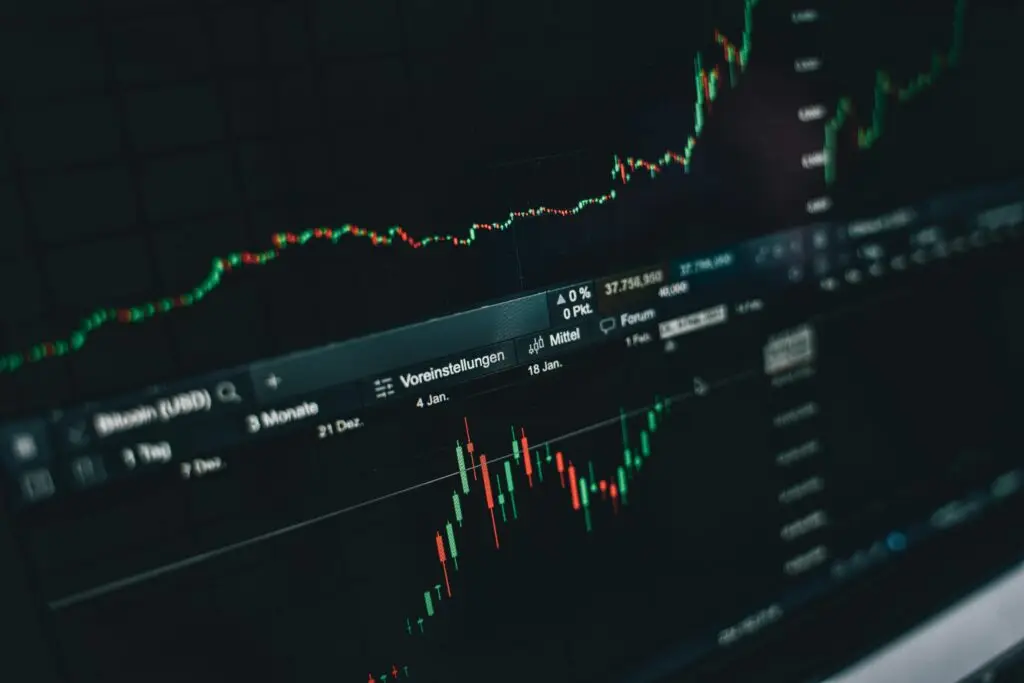
What is Crypto Trading? It is More Than Just Buying
Many people confuse investing with trading. Think of it this way: a long term investor is like someone who buys a house to live in for decades, while a trader is like someone who buys and sells several houses each year for profit.
Crypto trading is the act of buying and selling cryptocurrencies over shorter timeframes to generate profits. This could mean holding an asset for a few years, a few months, or even a few minutes. The core principle is capitalizing on market price movements.
The market is open 24/7, which is both an opportunity and a challenge. It offers constant potential, but it also means prices can move at any time of day or night. Understanding this fundamental difference is your first step toward thinking like a trader.
Getting Started: Your First Trade in Four Simple Steps
The process of placing your first trade can feel daunting. Let us break it down into four manageable steps.
Step 1: Choosing a Reputable Crypto Exchange
Your exchange is your gateway to the markets. It is where you will deposit money and execute your trades. When choosing, look for:
- Strong Security: Features like two-factor authentication (2FA) and a proven track record.
- Reasonable Fees: Understand their trading and withdrawal fees upfront.
- User-Friendly Interface: A clean design makes the learning curve much less steep.
- Good Liquidity: This ensures you can buy and sell easily without huge price differences.
Some well known starting points include Coinbase for its ease of use or Binance for its wide range of features. Do your own research to find which one fits you best.
Step 2: Securing Your Crypto Assets
Once you buy crypto, you need to store it safely. While leaving it on the exchange is convenient for active trading, a more secure long term solution is a crypto wallet.
- Hot Wallets: These are connected to the internet (like MetaMask or Trust Wallet). They are great for frequent access but are more vulnerable to online threats.
- Cold Wallets: These are physical devices (like Ledger or Trezor) that store your crypto offline. They are considered the gold standard for security, especially for larger amounts you do not plan to trade soon.
The mantra “not your keys, not your crypto” exists for a reason. Holding your assets in your own wallet gives you full control.
Step 3: Funding Your Account and Placing Your Order
With your exchange chosen, you will need to fund your account. Most exchanges allow you to deposit fiat currency (like US Dollars) via bank transfer or debit card.
Now, for the trade itself. The most basic order type is a market order. This is an instruction to buy or sell a cryptocurrency at the best available price right now. It is fast and simple, guaranteeing the trade executes, though not always at the exact price you expect.
For example, to buy Bitcoin, you would:
- Navigate to the trading section for the BTC/USD pair.
- Select “Market Buy.”
- Enter the amount of USD you want to spend.
- Confirm the trade.
Congratulations, you are now a crypto trader.
Core Trading Strategies: Finding Your Style
Not all traders are the same. Your personality, schedule, and risk tolerance will determine which strategy suits you best.
- Day Trading: This involves entering and exiting positions within the same day. Day traders capitalize on small price movements and do not hold assets overnight. It is intense, requires constant attention, and is generally not recommended for beginners.
- Swing Trading: This is one of the most popular approaches. Swing traders hold assets for several days or weeks, aiming to profit from the “swings” or larger price movements within a trend. This strategy allows for more analysis time and does not require you to watch charts every minute.
- Position Trading (HODLing): This is a long-term strategy where you buy and hold a cryptocurrency for months or years, believing in its fundamental value over time. While less active, it still requires research to pick quality projects.
- Using a Crypto Profit Calculator for Strategy Backtesting: No matter your style, a crypto profit calculator is invaluable. Before you even enter a trade, you can use it to model different scenarios. What would your profit be if the price goes up 10%? What is your loss if it drops 5%? This practice, called backtesting, helps you refine your strategy with hard data instead of guesswork.
Essential Tools for Success: Building Your Trading Toolkit
To navigate the markets effectively, you need the right equipment.
- Charting Platforms: Websites like TradingView are essential. They provide the charts and technical indicators you will use to analyze price movements.
- News and Information Aggregators: Stay informed. Platforms like CoinMarketCap or CoinGecko provide price data, while crypto news sites and dedicated Twitter accounts can keep you updated on market-moving events.
- Portfolio Trackers: As you make more trades, it becomes hard to track your overall performance. Portfolio trackers automatically sync with your exchange accounts to show your total profit and loss.
- Your Crypto Profit Calculator: This is perhaps the most practical tool for a new trader. A good crypto investment calculator does more than just tell you potential gains. It helps you plan your risk, understand fees, and set realistic profit targets. It is the bridge between your strategy and its execution.
Risk Management: The Trader’s Most Important Chapter
If you take only one thing from this guide, let it be this: protect your capital at all costs. Profitable trading is not about winning big on one trade; it is about surviving over the long run by keeping your losses small.
- The 1% Rule: A common guideline is to never risk more than 1% of your total trading capital on a single trade. If you have a $1,000 portfolio, this means no single loss should exceed $10. This seems small, but it ensures that even a string of losses will not wipe you out.
- Use Stop Loss Orders: A stop-loss is a pre-set order that automatically sells your asset if the price drops to a certain level. It is your single best defense against emotional decision making and catastrophic losses. Always know where your stop-loss is before you enter a trade.
- Manage Your Emotions: Fear and greed are the biggest enemies of any trader. Fear can make you sell a good asset during a normal dip. Greed can make you hold a losing asset for too long, hoping it will turn around. Sticking to a pre-defined plan is your shield against these emotions.
Conclusion: Your Trading Journey Begins Now
We have covered a lot of ground together. You have learned what crypto trading is, how to place your first trade, the different strategies you can employ, the essential tools you need, and, most importantly, how to manage your risk.
This is not the end of your education; it is the beginning. The markets will be your ultimate teacher. Continue to learn, practice with small amounts, and always prioritize the safety of your capital.
Ready to put theory into practice? Before you risk real money, use our crypto profit calculator to test your strategies and understand potential outcomes. It is the smart, safe way to take your first steps into the world of crypto trading.
- Demystifying Cost Basis: How a Crypto Investment Calculator Solves Your Dollar Cost Averaging Tax Puzzle
- Time Weighted Return TWR vs Simple ROI: The Best Way to Measure Your Crypto Strategy
- Stop Guessing Your Crypto Profit: Why Simple Math Gets It Wrong
- The Definitive Guide to Crypto Profit and Loss Calculation: Formulas, Fees, and Cost Basis
- Crypto Trading: A Beginner’s Guide to the Markets in 2025